The only constant is change. That is true about life and it’s also true about the climate. The climate has been constantly changing since the Earth was formed 4.6 billion years ago. In just the past 2000 years, we have seen the warm Roman Period, which was warmer than today. Then came the cooler Dark Ages followed by the Medieval warm period which was at least as warm as today. Then later we had the Little Ice Age that drove the Vikings out of Greenland and most recently a gradual 300-year warming to the present day. Those are a lot of changes and not one of them were caused by humans. During the past 400,000 years, there have been 4 major periods of glaciation which were interrupted by brief interglacial periods. We are in one of those periods right now which is all part of the Pleistocene Ice Age, which began in earnest two and a half million years ago which is going on and it also implies that we are still living in an ice age. That’s the reason there’s so much ice at the poles while thirty-million years ago the Earth had no ice on it at all.
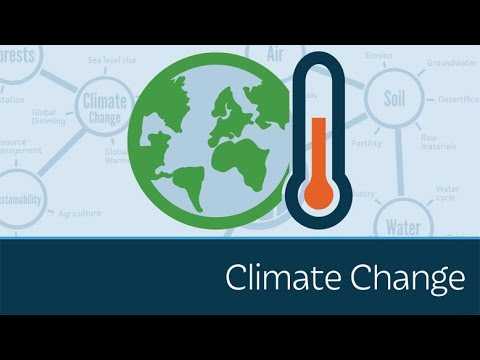
The next thing that comes to mind is what about carbon dioxide, the great villain of the Global Warming alarmists? How does CO2 fit into the picture? Temperatures and CO2 levels do not show a strong correlation. As a matter of fact, over very long time spans, periods of hundreds of millions of years they have often been completely out of sync with each other. Over and over again, within virtually any time stretch, we find the climate changing for reasons we do not fully understand. But we do know that there are many more factors in play than simply the concentration of carbon dioxide in the atmosphere and factors such as the shape and size of the Earth’s solar elliptical orbit, activity from the Sun, and the amount of wobble or tilt that is present in the Earth’s axis, among many others. Even the relatively short 300-year approximate period from the peak of the Little Ice Age to the present has not been constant. The latest trend has been a warming one, but it began about a century before there were significant carbon dioxide emissions from the burning of fossil fuels. There has been no significant warming trend in the 21st century. Contrary to the media headlines, the trend over the past couple of decades has been essentially tranquil.
“The idea that global warming is the most important problem facing the world is total nonsense and is doing a lot of harm.” - Freeman Dyson
Meanwhile, the human-caused CO2 emissions are higher than ever. About 25% of all the CO2 emissions from human sources have occurred during this period of no net warming of the planet. So, what are we in for next? Will the temperature continue in an upward trend? Will it remain stationary for a long period? Or, will it begin to drop? No one knows. Not even the biggest and the fastest computers.
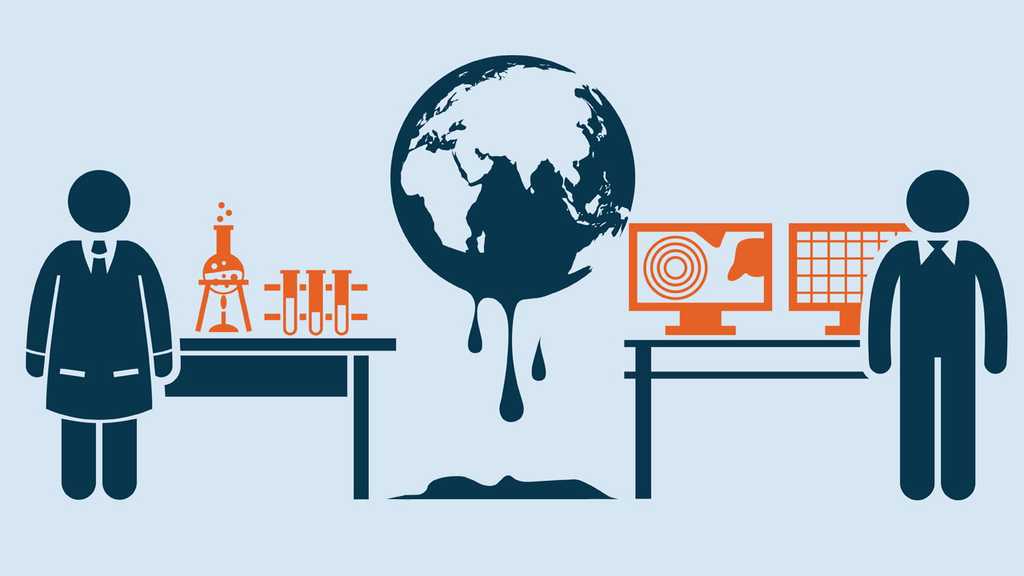
This whole conflict of global warming or as it is now referred to as ‘climate change’ has basically 3 groups of people dealing with the issue. The first two groups are made of scientists while the third group consists mostly, at its core, of the politicians, the environmentalists and the media. Group one is associated with the scientific panel of the United Nation’s International Panel on Climate Change (IPCC). These are scientists who believe in climate change and that man’s burning of fossil fuels releases CO2 is the primary cause of it which might eventually heat the planet to dangerous levels. Group two is made up of scientists who do not treat this as a severe threat at hand. They are referred to as ‘sceptics’. There is a mutual agreement on some points between group one and group two scientists such as - the climate is always changing, CO2 is a greenhouse gas without which life on Earth cannot prevail but too much of it can lead to some warming, the rise in the atmospheric levels of CO2 since the end of the Little Ice Age in the 19th Century, over the past two centuries the mean global temperatures have increased slightly and erratically by about 1 degree Celsius but only since the 1960s has man’s greenhouse contributions have been sufficient enough to play a role and considering the complexity of climate, no accurate prediction about the future’s mean global temperature or its impacts can be made. The IPCC even acknowledged this fact in their 2007 report and quoting that report it said, “The long-term prediction of future climate states is not possible”.
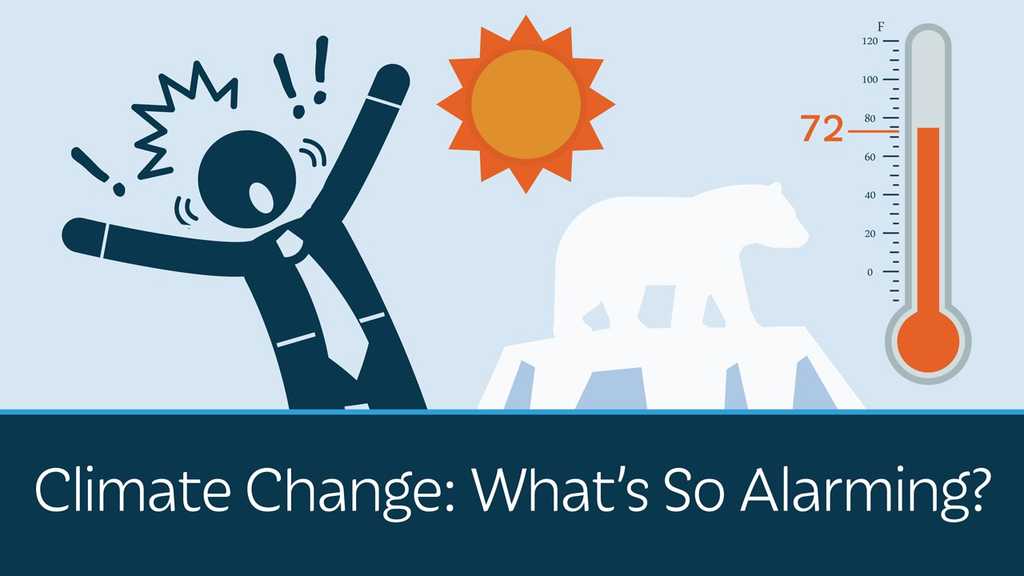
A scenario in which the burning of fossil fuels leads to a holocaust isn’t part of what either of the groups asserts which leads us to the question why are so many people concerned, worried and indeed panic-stricken about the issue? This is where group three - the politicians, the environmentalists and the media come into the picture. Global warming alarmism provides them more than any other issue with things they most want. For politicians, it is money and power. For environmentalists, it is money for their respective organizations and confirmation of their near-divine ideology that man is a destructive force acting upon Mother Nature and for the media it's headlines and money. Doomsday scenarios sell and the people who make up group three thrive on it.
Over the last decade, scientists belonging outside of climate physics have jumped on the bandwagon, publishing their work blaming climate change for everything from acne to even the Syrian Civil War. And, crony capitalists have anxiously grabbed for the subsidies that the governments have so profusely provided. Regrettably, group three is winning the argument because they have been successful in drowning out the serious debate that should be going on. But while group three types can make a lot of money off scaring people, they surely won’t be able to bury the truth. The climate will have the final say on that.
Yet to state these simple facts there is a high risk of being called a “climate change denier.” Not only is it absurd, but it's also mean-spirited. It’s absurd because no one, not even the most vehement sceptic, denies that the climate is actually changing. And it's mean-spirited because to call someone a climate change denier is to intentionally link them to people who deny the catastrophe. So, maybe it's time to put and to the name-calling. Predicting the climate is one of the most complex systems on Earth with thousands of combinations, many of which we ourselves do not understand, it isn’t an exact science or anything near it. Maybe it’s just a bit arrogant to suggest that we can accurately predict the weather or the climate or just about anything 50 years from now.
The science is not settled. The debate is not over. The climate is always changing. It always has and it always will.
References
- CLIMATE CHANGE: WHAT DO SCIENTIST SAY? April 18, 2016. https://www.prageru.com/courses/ environmental-science/climate-change-what-do- scientists-say (accessed 2016)
- MOORE, PATRICK. WHAT THEY HAVEN’T TOLD YOU ABOUT CLIMATE CHANGE. July 26, 2015. https://www.prageru.com/courses/environmental- science/what-they-havent-told-you-about-climate- change (accessed 2016)
- Cover Image: https://wallpaperaccess.com/full/1963122.jpg (accessed 2016)